K-pop is having its mainstream moment. "Golden" from KPop Demon Hunters became the first K-pop song to win a Grammy, then swept the Oscars and Golden Globes. It sat at #1 on the Billboard Hot 100 for 8 weeks. The soundtrack crossed 10 billion streams.
And it's not just the idol groups anymore. DAY6 sold out Jakarta, Bali, KL, and New York back-to-back. The Rose played Coachella and Lollapalooza — the only Korean act to ever do both. QWER, barely a year old, sold out 16 cities on their first world tour. Wave to Earth is headlining major venues across Europe and the Americas.
What's often overlooked outside Korea is that these artists didn't emerge from nowhere. Korean modern music has deep roots stretching back to the 1980s — from Cho Yong-pil and Shin Hae-chul to the indie scenes of Hongdae in the '90s, through Seo Taiji's revolution, and on to today's genre-defying bands and singer-songwriters. K-pop idols are the visible tip; underneath is a rich, decades-deep ecosystem of musicians, producers, and live music culture that feeds the entire wave.

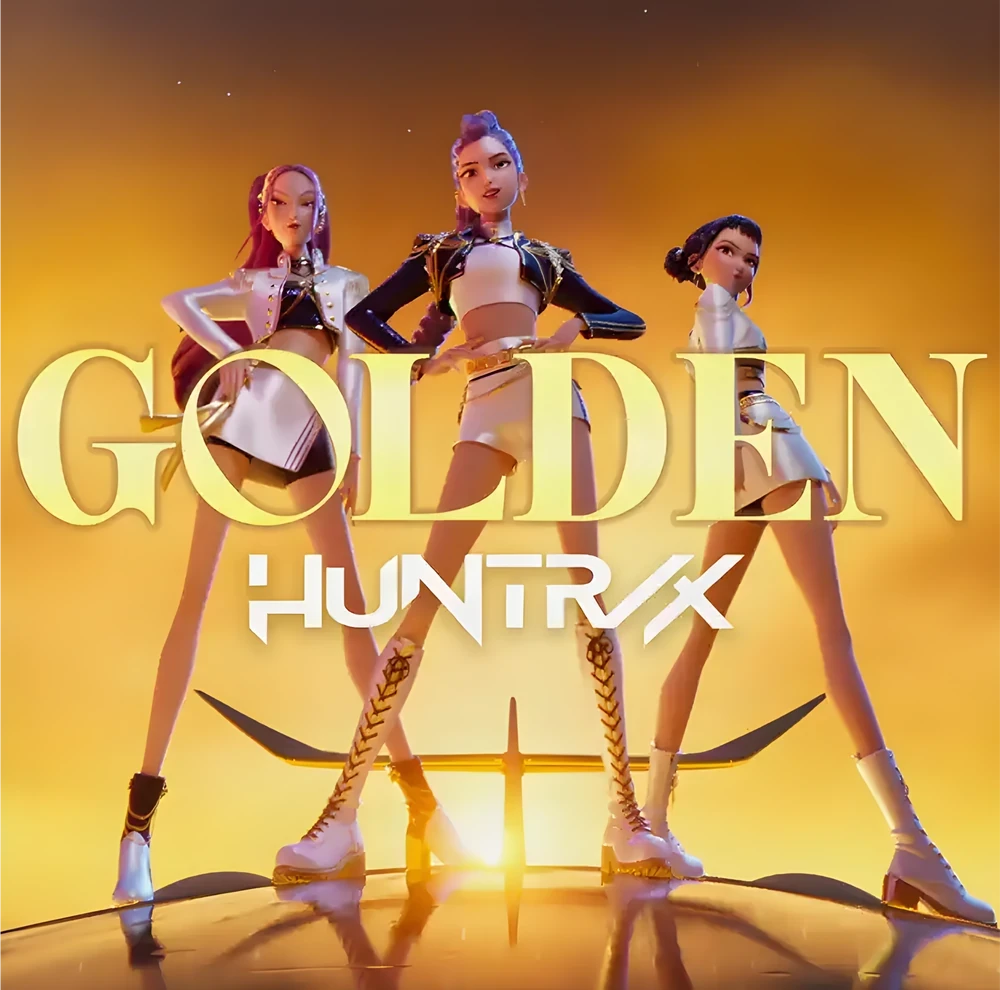
Now, the infrastructure is catching up. Gyeonggi Province just tapped Live Nation to build a 50,000-capacity K-Culture Arena. HYBE, SM, JYP, and YG — the Big 4 — are forming a joint venture for a global mega-festival called "Fanomenon." These are billion-dollar bets on the live K-pop economy.
But here's the question nobody seems to be asking:
A fan flies to Seoul, Tokyo, Jakarta, Singapore or LA for a K-pop concert. The show lasts three hours. What do they do for the other 48? And what about the millions who love K-culture but aren't chasing arena tickets — the ones who want to browse Korean beauty brands in person, eat real tteokbokki from a proper street vendor, discover emerging K-fashion labels, or catch a Korean indie band in an intimate 500-cap venue on a Tuesday night?
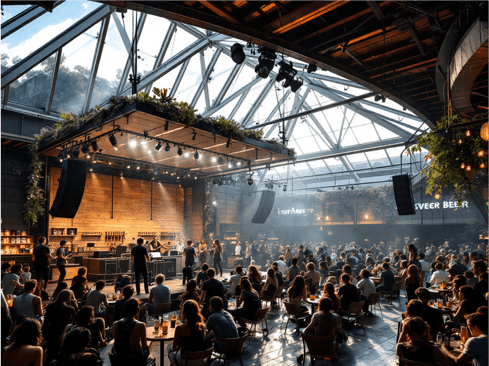

Right now, the answer across Southeast Asia is usually a knockoff K-town — Korean packaging on local products, "Seoul vibes" food courts that miss the point entirely. The demand is real (81% of Indonesian consumers say K-content drives their purchasing), but the physical spaces serving that demand are mostly inauthentic.
What excites me is the space between the mega-arena and the knockoff food stall.
Think: Buena Park's The Source — recently designated as Orange County's second official Koreatown — where authentic Korean F&B, retail, and cultural programming create a genuine neighborhood destination. Not a one-night event, but a place people return to every week.
That's the model I believe scales globally: take an underperforming street, a vacant mixed-use block, or a stalled development — and transform it into an authentic K-Culture district. Real K-beauty flagships. Korean chef-driven restaurants. Intimate live music venues. K-fashion pop-ups. Cultural programming that draws foot traffic 365 days a year — rooted not just in today's idol hits, but in the full depth of Korean music, food, design, and craft.
The arenas are the headline act. The everyday K-Culture Town is where the long-term real estate value lives.

At SUMMUS PARTNERS, this is exactly what we do — integrate authentic K-culture content into commercial real estate development. We're looking for partners, developers, and cities ready to build the next generation of K-Culture districts.
If this resonates — whether you're in real estate, urban development, hospitality, or K-culture brands — I'd love to connect.
Strategy deck in comments.
#KCulture #CRE #KCultureTown #KPop #RealEstateDevelopment #UrbanRegeneration #KFood #KBeauty #LiveMusic #RetailDevelopment